What to Expect from a Professional Radon Mitigation Installation
Understanding the Problem Before You Start
If you have tested your home for radon and the results came back above the EPA action level of 4 picocuries per liter, you are not alone. In York County, high radon readings are common. Many homeowners I talk to are surprised by the numbers, especially when they bought a house with a clean initial test or lived in a neighborhood where no one else had tested. The next step is almost always the same: a radon mitigation installation.
That phrase can sound intimidating if you have never looked into it before. But in practice, the process is straightforward when handled by someone who knows local soil conditions, common foundation types, and the mechanical principles behind active soil depressurization. A good installation does not just lower your radon level. It gives you a system you can trust for years, with minimal maintenance and clear indicators that it is working.
How Sub-Slab Depressurization Works
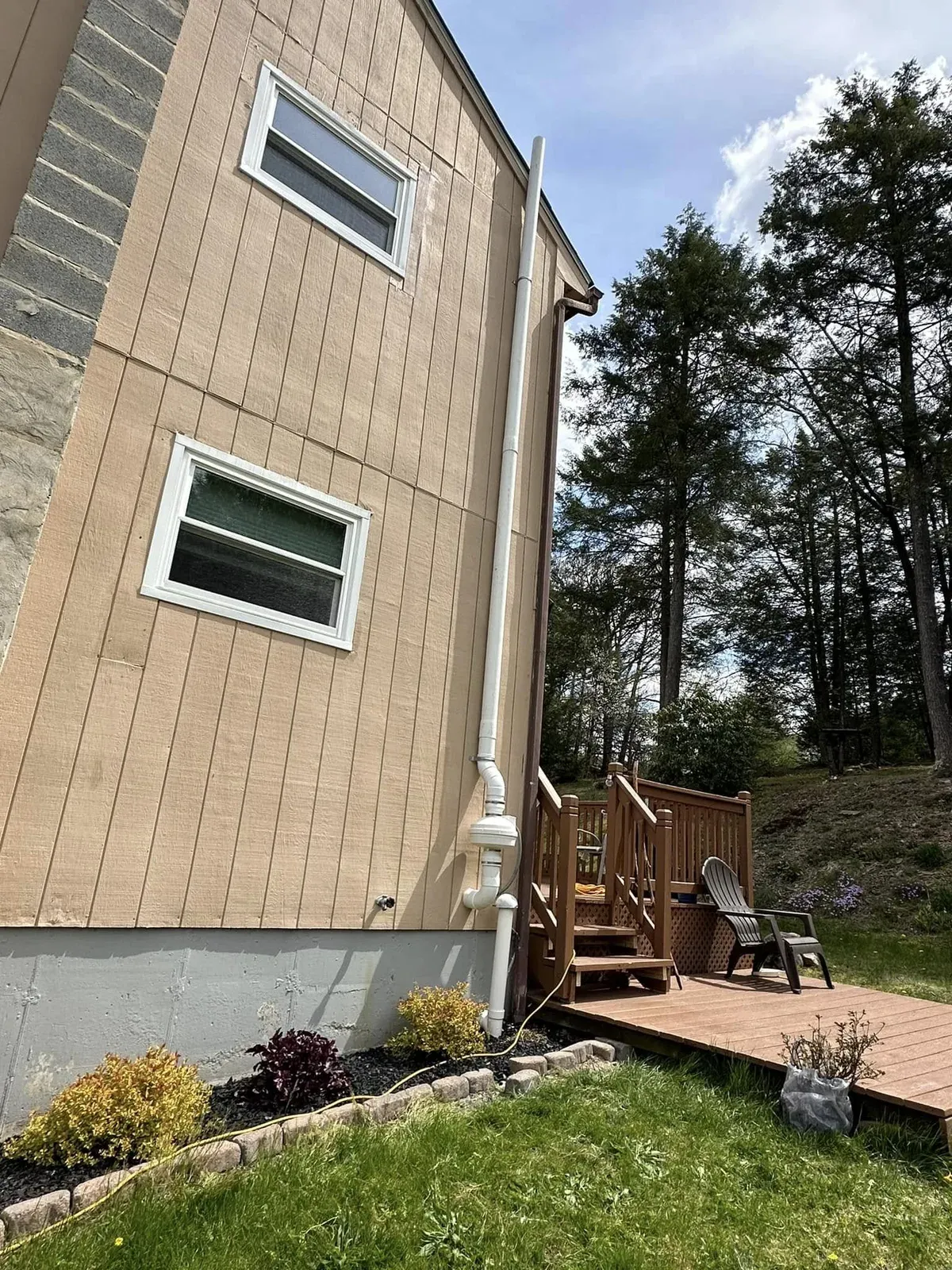
The most common method for reducing radon in homes with a concrete slab foundation is sub-slab depressurization. The idea is simple: create a low-pressure zone beneath the slab so that soil gases, including radon, are drawn toward a suction point rather than being pushed up through cracks and gaps into your living space. That suction point connects to a fan unit, which vents the gases through a PVC pipe running up the side of the house and safely above the roofline.
In a typical radon mitigation installation, the installer drills a small hole through the slab to access the gravel or soil underneath. A PVC pipe is inserted into that hole, and the gap around it is sealed with a gasket and a high-quality sealant. The fan unit is mounted outside or in an attic or crawlspace, depending on your home’s layout. A manometer is installed on the pipe inside the house so you can see at a glance whether the system is drawing properly. That little gauge is your peace of mind. If it shows vacuum, the system is running. If it drops to zero, something needs attention.
Sealing and Penetrations: Getting the Details Right
One detail that separates a lasting installation from one that causes headaches later is sealing. Every penetration through the concrete slab matters. That includes the sump pump opening, floor drains, plumbing chases, and the gap around the PVC pipe itself. If you skip sealing those gaps, you leave a pathway for radon to bypass the system and still enter the house. A good installer will walk the basement or crawlspace before starting, identifying every opening and making a plan for how to close it.
I have seen homes where the fan unit was powerful enough to pull good vacuum but the radon level barely dropped because the slab had a large uncracked sump pump lid that was acting like a chimney. Once that was sealed, the numbers dropped right away. That is the kind of practical troubleshooting you want from an experienced professional.
Testing Before and After: What the Numbers Tell You
Before any work begins, you should have a reliable radon test result. Most people use a short-term radon test, either a charcoal canister or a continuous radon monitor. The EPA recommends testing in the lowest lived-in level of the home. If you have a basement with a bedroom or a family room, test there. If you have a crawlspace but no finished space, test in the room directly above.
After the radon mitigation installation is complete, you need a post-mitigation test to confirm the system is working. The EPA and most state programs recommend using the same type of test you used before, or a continuous radon monitor for more detail. The test should run for at least 48 hours, with the house closed up as much as possible. That means keeping windows and exterior doors shut except for normal entry and exit.
I have seen post-mitigation tests come back below 2 pCi/L in homes that started above 20. That is a typical result when the system is properly sized and installed. If your test comes back above the action level after installation, something is wrong. It could be a fan issue, a leak in the pipe, or a sealing problem. A reputable installer will come back and fix it at no charge, especially if they offer a radon system warranty.
What About Crawlspaces and Basements?
Not every home has a concrete slab. If you have a crawlspace or a basement with a dirt floor, the approach changes. In a crawlspace, the installer may lay a heavy plastic vapor barrier over the soil and seal it to the walls, then run a PVC pipe from under the plastic to a fan unit that vents outside. That is still a form of active soil depressurization, just adapted to the foundation type.
In a basement, especially an older one with a stone foundation or a floor drain that connects to the ground, the job is more complex. The installer may need to create a sump pump pit or install a dedicated suction point in the floor. Every house is different, and that is why you want someone who has seen a lot of York County homes. Local experience matters because soil composition, water table, and foundation styles vary block by block.
Choosing the Right Fan and Pipe
The fan unit is the heart of the system. Most residential systems use an inline fan rated for continuous outdoor use. It should be sized to the pipe diameter and the length of the run. A 4-inch PVC pipe is the most common choice for main vents because it moves enough air without excessive noise. The pipe must be sloped so that condensation drains back to the suction pit, not into the fan. That is a small detail that prevents big problems later.

The manometer is a small U-tube device filled with colored liquid. It shows pressure differential. When the fan is running, the liquid sits at different levels on each side. If you see the levels equalize, the fan has stopped or the pipe is blocked. Checking the manometer once a month takes ten seconds and tells you the system is working.
How Long Does a Radon Mitigation Installation Take?
Most installations are completed in one day. A typical job starts in the morning with a walkthrough, moves to drilling and pipe routing, then sealing and fan mounting. By late afternoon, the system is running and the post-mitigation test is set up. The test runs for two to four days, so you will not have the final number until the end of the week. But you will know immediately if the fan is pulling vacuum, and that is a good sign.
One thing I tell homeowners is to plan for the fan noise. Modern fans are quiet, but you will hear a low hum if the fan is mounted on an exterior wall near a bedroom window. If that is a concern, ask the installer to place the fan on the opposite side of the house or in a detached garage. A small trade-off in fan placement can make a big difference in comfort.
Warranty and Maintenance
A quality radon system warranty covers parts and labor for at least five years, sometimes longer on the fan unit. The fan itself is the only component that wears out. Most fans last five to ten years, and replacing them is a simple job. The PVC pipe, gasket, and sealants should last the life of the house if they are installed correctly.
Maintenance is minimal. Keep the manometer visible and check it occasionally. Make sure the exterior vent is not blocked by snow, leaves, or spider nests. That is about it. Unlike a sump pump or a humidifier, a radon system does not need filters or annual service. If the manometer shows vacuum, the system is doing its job.
Why Local Expertise Matters
I have seen radon mitigation installation done well and done poorly. The difference almost always comes down to the installer’s experience with local conditions. York County has areas with high radon potential, especially in the northern and western parts of the county. Homes built on limestone or shale tend to have higher readings. An installer like Dan Jenkins, who has worked in this area for years, knows which neighborhoods tend to need deeper suction pits and which can get away with a single point of extraction.
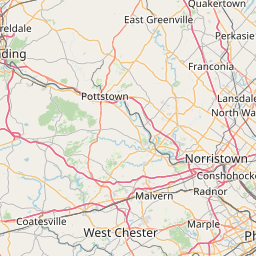
That local knowledge also helps with troubleshooting. If a system is not pulling enough vacuum, an experienced installer will check for a high water table before digging a second suction pit. If a basement has a radon entry point under a finished wall, they will know how to seal it without tearing out drywall. Those are the kinds of calls that come with practice, not from reading a manual.
The Bottom Line
A radon mitigation installation is not a mystery. It is a mechanical system that uses well-understood principles to solve a specific problem. The key is getting the design right for your house, sealing every penetration, and testing afterward to confirm the result. If you do those things, you can expect a system that works quietly and reliably for years. And in a place like York County, where radon is a real concern, that kind of reliability matters.